+

WILLAMETTE, DAMNIT.

Like California, Oregon is also heavily inundated with the current fires along the West Coast, and only time will tell the impact this will have moving forward.

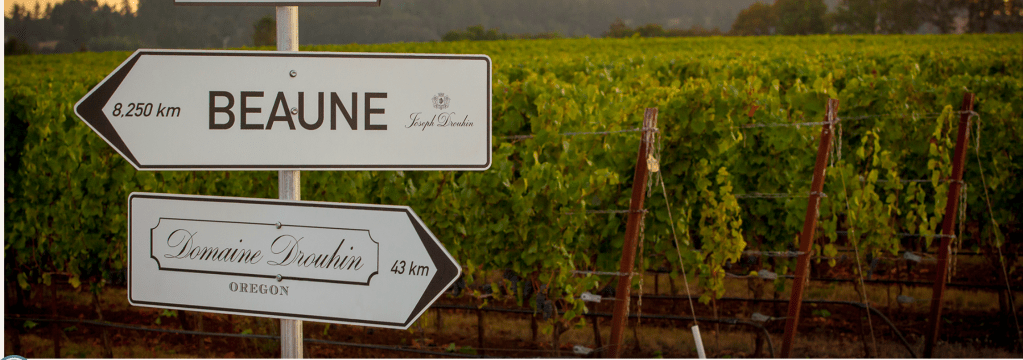
Oregon has made a name for itself as a world class wine region in the past few decades and are farmers first, honoring their commitment to the land, grapes and region. Many prominent winemakers from Burgundy have also made parts of Oregon their second home and celebrate the area and viticulture, as the climate and latitude have remarkable similarity to their home region and produce wines very Burgundian in style.  

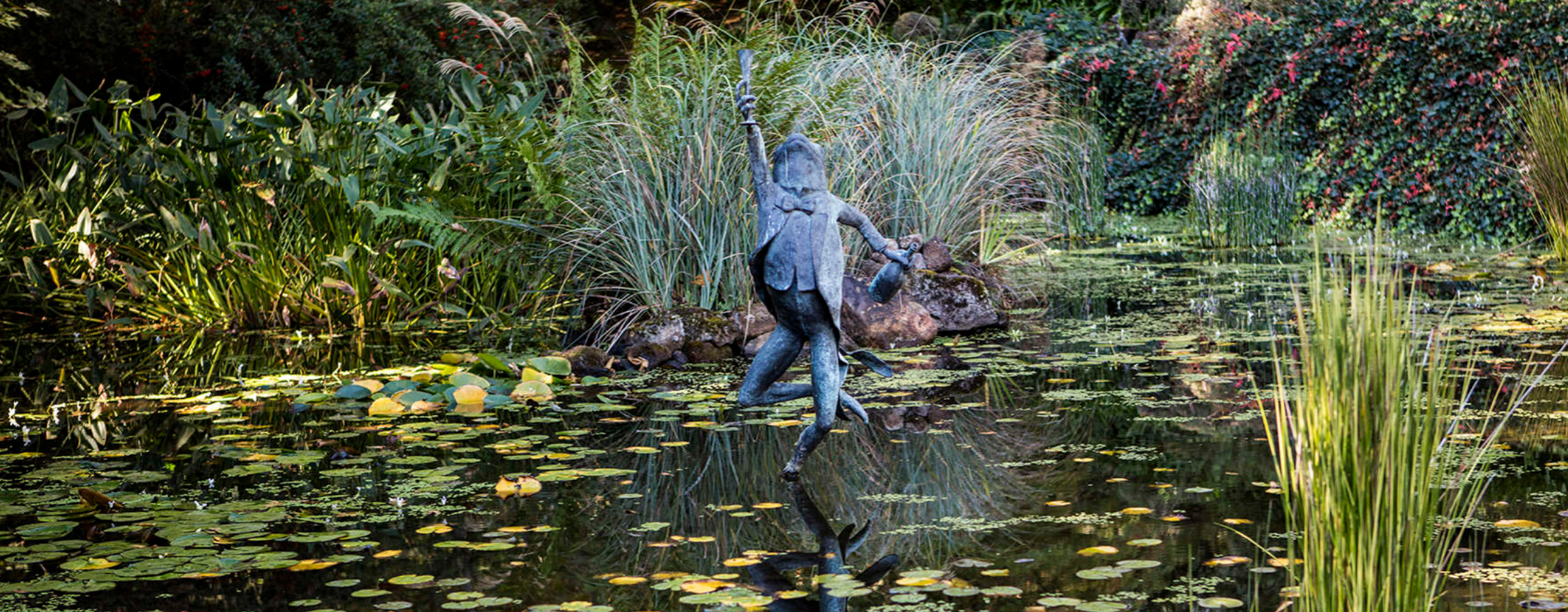
photo courtesy of http://www.roserockoregon.com

The Drouhin Family is one of those who sought to expand their craft to two continents, and after over a hundred years of winemaking in France, chose property and began making several wines using the traditional varietals, Chardonnay and Pinot Noir. Their production includes Roserock, which  is produced from the best grapes handpicked from 35 sites throughout the Eola-Amity Hills, a subregion in the Willamette (rhymes with damnit) Valley. The style is more feminine and soft, noting that “Roses are fleeting expressions of beauty, while rocks evoke strength and permanence. Roserock Vineyard is already living up to its name, producing wines of grace that are delicious upon release but have the potential for outstanding longevity.”

The 2016 Joseph Drouhin Roserock Vineyards has velvety soft tannins and a bright red cherry palate with an earthiness and minerality. Notes of violets and spice round out the complexity and balance the ripe fruit and enhance the finish. 

Recommended Pairing Notes: Coq au Vin or a Grilled Vegetable Tart with Mushrooms

+

CHABLIS: Chardonnay’s Mecca

Chablis, once a blanket term for cheap, dry white wine, often found in a jug and used for cooking, is much more than that, and the rest of the world is finally starting to notice.

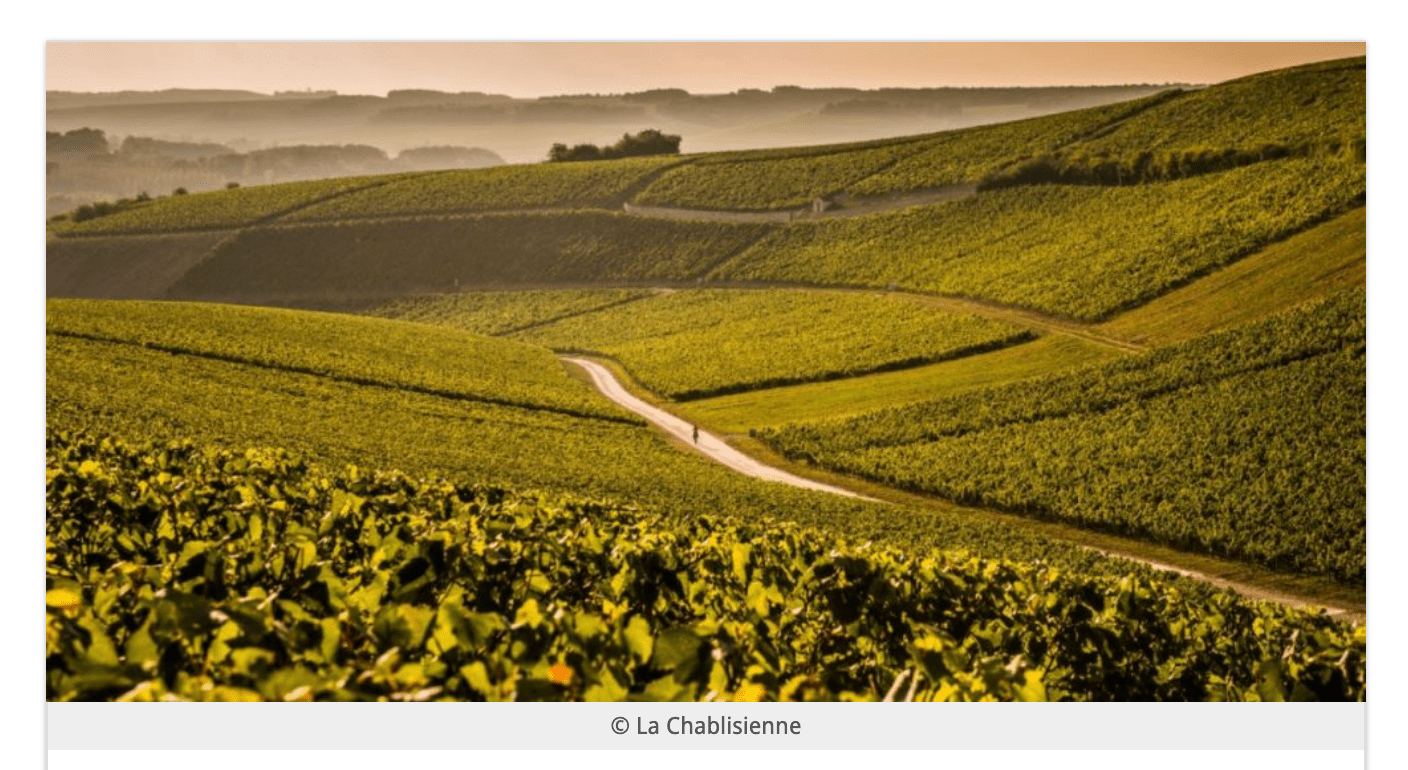
France has always held a special place in their hearts for Chablis. The terroir found in the Northeastern corner of Burgundy produces a chardonnay that is like nothing else. With a bracing acidity and briny minerality, this expression of the varietal will have people second guessing everything they thought they knew about Chardonnay. 

The cool climate in the Chablis region is a large part of what makes the wine so unique, the style is lean and only hints at the fruit and floral notes known to the grape. The region also used to be a sea bed, so the fossilized seashells and ancient marine life skeletons, along with the chalky soil contribute to the salinity and minerality that no other terroir can recreate. This crisp, clean wine needs no other influence, so rarely sees any oak aging. The winemakers allow its true character to shine through.

2018 was a beautiful vintage, with wonderful weather to help produce high quality yields. Domaine William Fevre is a producer known to respect the region and the grapes, while helping the wine to express itself and highlighting the citrus, crisp apple and white flower notes found in chardonnay along with the cool, raciness known to Chablis. 

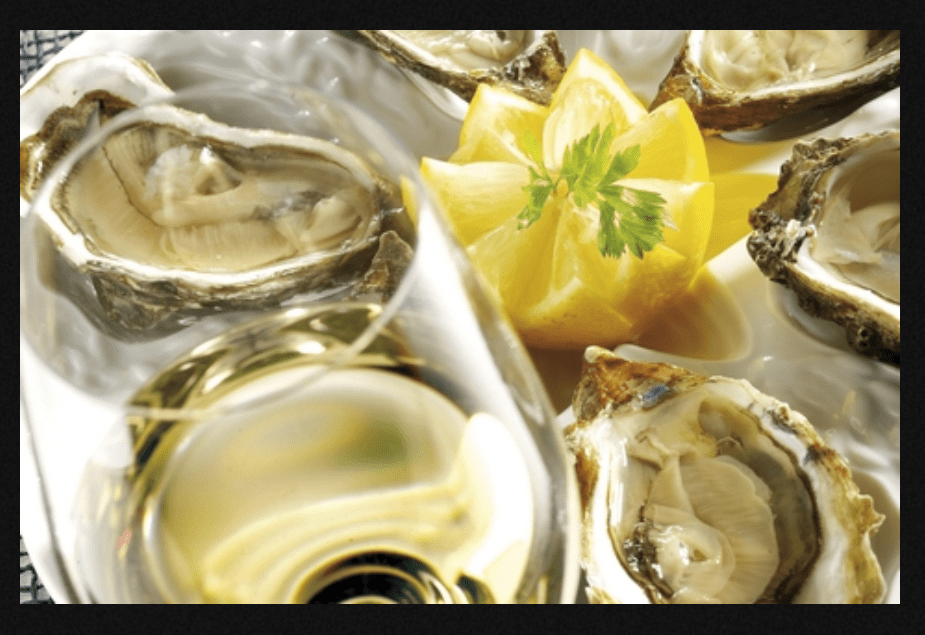
Pairing notes: Oysters were born to go with a glass of Chablis. The acidity can also help balance a rich, creamy dish like Chicken Picatta or New England Clam Chowder. 

photo courtesy of http://www.chablis-wines.com

+

THE TRAGIC FIRES IN CALIFORNIA

Currently, with the terrible fires in Northern California and the potential detriment on this year’s harvest, California’s wine industry will without a doubt feel some of the impact. Most people may not have the skills to fly out and help fight the fires, but we can assist by driving our consumer dollars to small family vineyards in the region. 

Flora Springs, founded in 1978 and named for the family matriarch, note on their website that “the depth of this history reminds us that as stewards of this land, our family’s commitment to its health and vitality will be felt far into the future.” Now the third generation has joined the ranks and the vineyard has installed solar panels and gone organic to continue to honor that commitment and stewardship. 

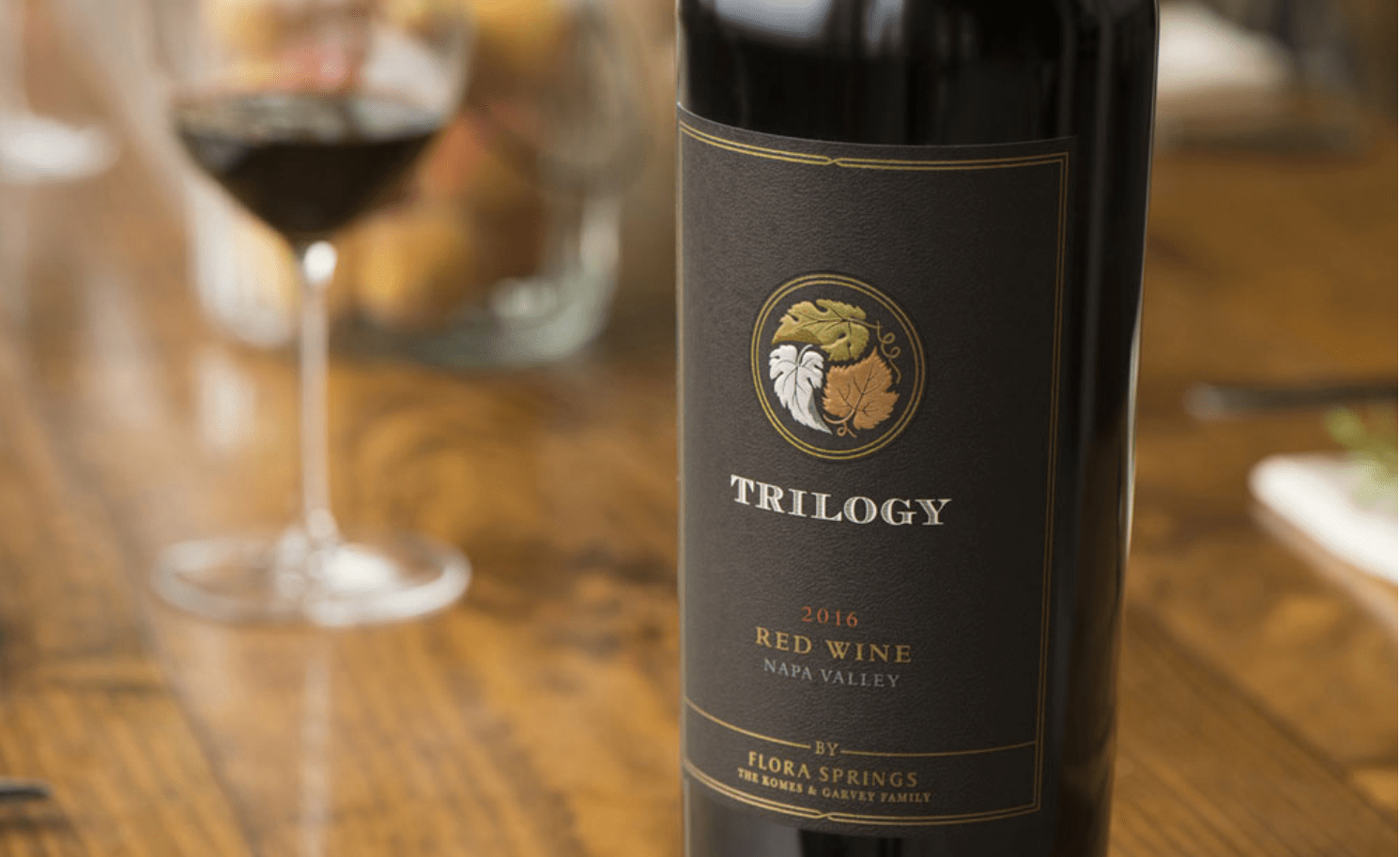
Trilogy, by Flora Springs is a proprietary blend or “Meritage” (rhymes with heritage, contrary to popular belief) which is made in a Bordeaux style and will contain at least two of the red grape varietals used there. The vineyard will create the blend each year using their best grapes, but will be a majority of cabernet sauvignon…this is Napa after all. 

In contrast to a Bordeaux, Trilogy will have silky tannins, big, bold dark fruits and does not necessarily need food pairings to enhance the palate. Notes of chocolate, espresso, licorice and vanilla will balance the jammy berry notes. The 2016 blend is cabernet sauvignon, malbec and petit verdot and will age extraordinarily well. 

Pairing Notes: This will be the perfect compliment to a steak or lamb chop, but I also love the decadence of drinking this along side a chocolate torte with fresh berries.

+

BORDEAUX: A Blended MASTERPIECE

This Friday, August 28th is National Red Wine Day, and these days, any reason to celebrate is worth noting. Why not do so with a wine from arguably one of the best red wine regions in the world, Bordeaux, France?

…As the first to put a wine classification system into place in 1855, there is much credibility to defend the title, and their vast diversity, consistency, and influence helps to sway any naysayers. 

Bordeaux is split into two banks, divided by the Gironde River and these Left and Right Banks have different soil, which means different proportions are grown on each side for the main varietals. All Bordeaux reds must be a blend of Cabernet Sauvignon and Merlot, and can also contain Cabernet Franc, Carmenère, Petit Verdot and Malbec. The Left Bank of Bordeaux is favorable for growing Cabernet Sauvignon so the majority of the blend is this grape, and is known for producing the famous, highly priced and sought after wines such as Chateau Margaux and Chateau Lafite. The Right Bank is the perfect fit for growing Merlot, so the wines from this side are softer and rounder and can often be a better price point as they have found less notoriety. 

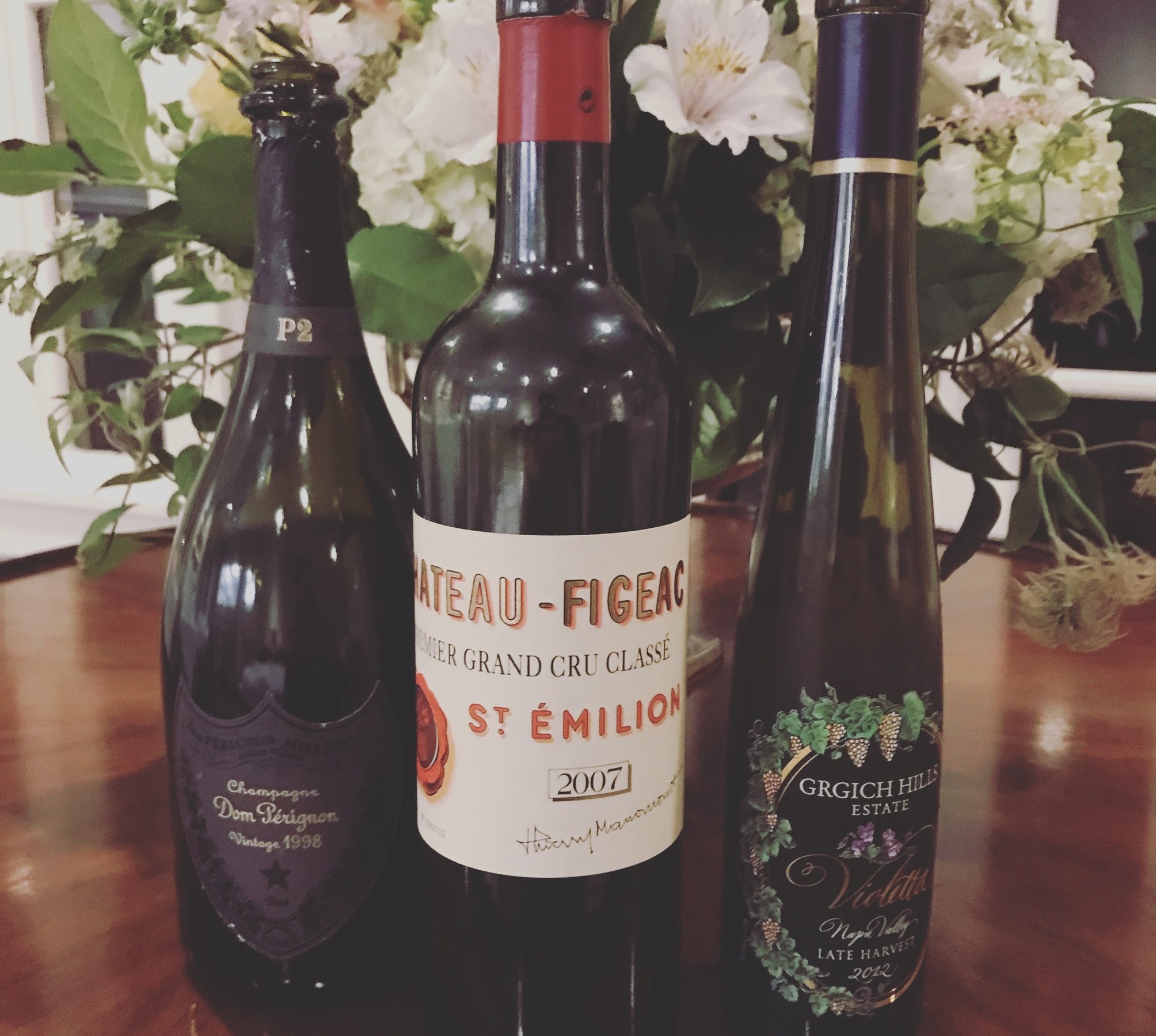
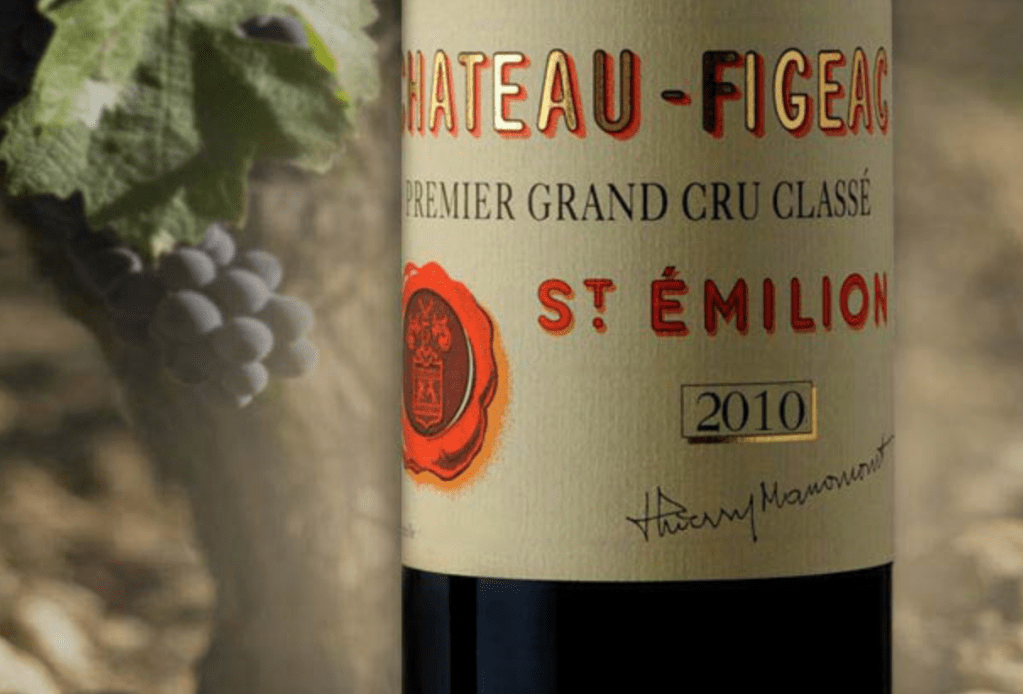
So, while still not necessarily an everyday wine, Chateau Figeac from Saint-Émilion, which is located in the Right Bank is a wonderful representation of the elegance and complexity throughout Bordeaux. The Figeacus family, the estate’s namesake, dates back to the second century and The Manoncourt family, whom currently have owned the estate for over 120 years, have contributed to the quality and upheld the standard of the original name. Hints of strawberries, blackberries, plum and graphite are consistent every year and are paired with a crisp tannic structure and herbal, cedar notes. This is an ideal wine to pair with food and has great aging potential. 

Recommend wine pairings: Steak au Poivre or a Pan Seared Duck Breast with a Blackberry Reduction. 

photo courtesy of chateau-figeac.fr
+

Rosé all Day!

This weekend is the unofficial kickoff to Summer, and while traditional celebrations are currently on pause, there is no better way to salute the switch than in your glass, making the official transition to “Rosé all Day”

Here’s a quick overview of the style that has become the mascot of a season, and a few recommendations that are tried and true, amongst all the trend-setting celebrity marketed brands mixed in on the shelves.

A true still rosé wine, one that is intentionally made with rosé as the final goal, is made using skin-contact from the grapes after they are pressed. The juice is allowed to remain in contact with the dark grape skins for a much shorter time than if a red wine were going to be produced. The grapes are also harvested earlier than for a red, allowing the crisp, tart characteristics to impart the flavors into the finished product.

Saignée, meaning to bleed, is also a method used for making rosé. This is done when some juice is bled from the maceration, which allows the remainder to become more concentrated and produce a bigger, bolder red wine. The wine that was bled off from the batch is usually a darker pink and has bolder fruit notes than a rosé produced with the skin-contact method. This was once discarded or drank as mere table wine, but then some wise person realized the sales potential in bottling this castaway liquid and so, saignée rosés entered the market.

The third and final way that a rosé can be made is with the blending method. This is done by adding some red wine to a white wine to produce the pink color. This method can still be found in use without judgment in the Champagne region, but otherwise, is generally looked down upon or not even allowed in other rosé regions.

A rosé wine can be made from any red wine grape, as the juice always starts out as a white wine, so almost every region and country has some form of rosé they are making, but several regions, specifically in France, such as Provence and Tavel, are known for intentionally making rosé and have pioneered the art of the style. Many others are learning quickly and quality rosés can be counted on in areas, such as Willamette Valley, Spain, and Greece. Rosé is a wine style that has a lot of versatility with food pairings and flavor profile variation, so no need to stop enjoying once Summer concludes. Cheers to your rose colored glasses!

Provence, makes a very pale pink style from up to 13 varietals, but the most commonly used are Mourvèdre, Grenache, Cinsault, and Syrah. Fleurs de Prairie Rosé, is a consistently beautiful wine, and not just because of the gorgeous bottle. There are notes of cucumber, strawberry, unripe watermelon and hints of rose petal. 

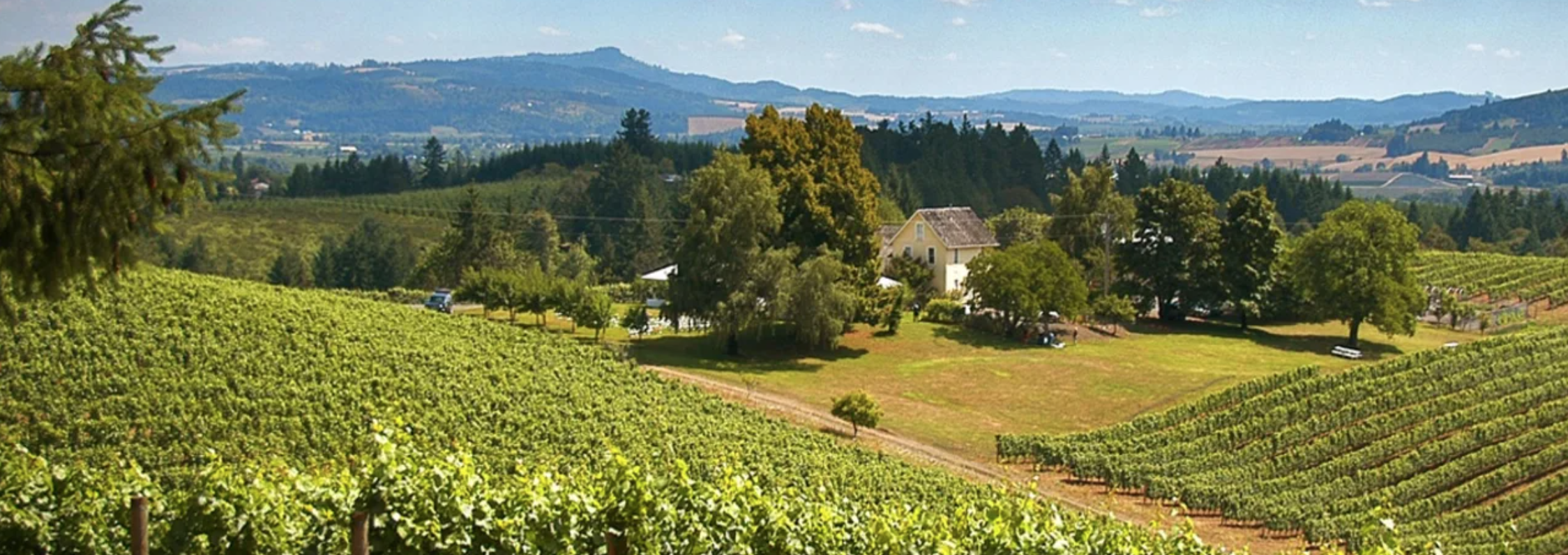
Willamette Valley, Oregon is a cool climate known for their Burgundian style pinot noirs and chardonnays, but some vineyards have begun dedicating plots of their pinot noir grapes to making quality rosés. Stoller Family Estate Vineyard in Dundee Hills has a stellar example that will be a brighter pink and display peach, pineapple, raspberry and cherry notes with a bright acidity and crisp minerality

The Rioja region is Spain is known for world class reds, but are also making great rosés as well. Bodegas Muga Rosado is produced with Garnacha and Tempranillo grapes and is a light salmon pink color with grapefruit, citrus notes and a racing acidity. The perfect compliment to a hot summer day!
+

WHAT I’M DRINKING DURING QUARANTINE…

While stuck inside, I’m turning to wines that help me remember wonderful trips with even better wines, and Schramsberg is where I am dreaming of returning to sooner than later.

As soon as we began the drive up the long, winding, narrow path leading to Schramsberg, (the vineyard name literally translates to Schram’s Mountain) I knew from the green hills, mossy rocks, and fairytale like forest surrounding us on our ascent we were about to enter some place magical.  I was not wrong. A chance to tour Schramsberg will provide one of the most memorable experiences of your trip to Napa Valley and will definitely change your opinion on American bubbly.

Schramsberg is known for their sparkling wines, notably being the first American sparkler to be served at the White House, during the Peace Talks with China in 1972. And while they served a demi-sec at the White House for that historic moment, their claim to fame might be their blanc de blanc sparkling wine,

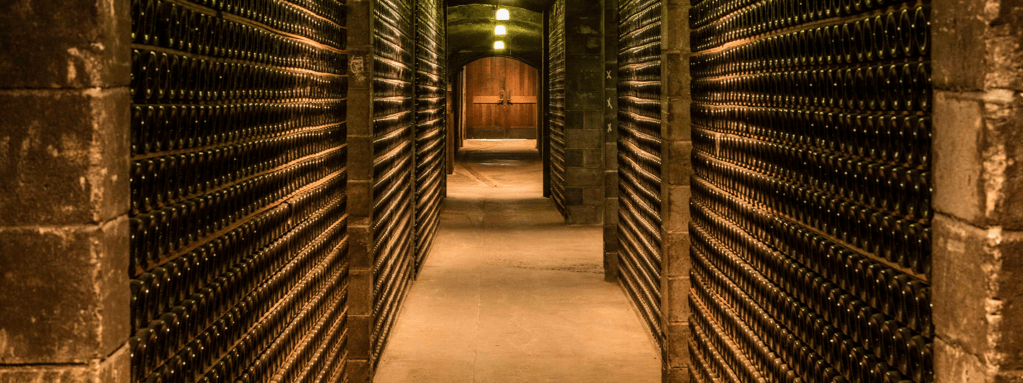
The vineyard was established in 1852 and has remained family owned since. The traditional Champagne method is used to produce all of the sparkling wines from Schramsberg, and their J.Schram and Reserve sparklers are hand riddled in the hand dug caverns, keeping the tradition alive. The personalized experience makes it feel like its just you and the Davies family wandering through the hand dug caverns surrounded by thousands of bottles of amazing wine, currently only 96 people a day are able to go on one of the eight tours provided, and for the chance to taste four Schramsberg sparkling wines and two J. Davies reds, I highly recommend making a reservation as soon as you book your flights, if not before.

2015 Schramsberg Blanc de Blancs, meaning white from whites is made from 100% chardonnay. Only three varietals are allowed in traditional Champagne production: Chardonnay, Pinot Noir and Pinot Meunier. Chardonnay is the only white skinned variety, so the only to be found in a blanc de blancs. This will result in a crisp, bright wine with apple and pear notes and and this sparkling wine has a beautiful lemon zest on the nose. It has been aged for three years on the “lees” – (yeast) which will provide a richness and a brioche toast note to add complexity to the freshness you will note on the palate.

Pairing Notes: West Coast Oysters or believe it or not, Fried Chicken, (this is a new trending pairing)

Quarantine Pairing Notes: Ritz Crackers with Camembert or Brie cheese and Canned Pears.

photos courtesy of schramsberg.com